Belonging & local knowledge
Recognize people, trust, relationships, history, skills, programs, and place.
People build power. Together, we make communities safer.
The Rehoboth Project equips leaders, aligns civic systems, and strengthens the infrastructure communities need to sustain peace over time.
Community violence intervention saves lives. Lasting safety also depends on organized communities, responsive institutions, and the civic power to sustain change beyond a single initiative or funding cycle.
TRP helps partners make those connections practical: map the local ecosystem, identify where coordination breaks down, develop shared leadership, and move from analysis to action.
Presence → Power → Permanence names one important arc in this work: recognize the assets already held, organize relationships into public influence, and build structures that survive a grant or a leadership change. It is part of a wider cross-sector continuum. Faith communities can be a powerful entry point, alongside neighborhood groups, violence intervention teams, schools, health systems, and local government.
Recognize people, trust, relationships, history, skills, programs, and place.
Make it possible for affected residents to shape the questions and choices.
Develop leaders, relationships, strategy, and the ability to act together.
Bring lived experience, research, and public analysis into shared decisions.
Shape policy, resources, institutional practice, and public priorities.
Connect roles, referrals, planning, data, budgets, and accountability.
Coordinate systems so peace, care, opportunity, and stability can endure.
Keep local capacity, ownership, and shared responsibility through change.
Use it as a map, not a staircase. Communities can enter at different points, build several capacities at once, or lose ground when conditions change. The question is what must be strengthened next.
Read it alongside the Durable Safety Index. The continuum helps describe how collective civic capacity develops. The Index assesses how well the eight safety pillars function and connect.
Explore the Civic Capacity framework → Explore the Lab offering →
Durable Safety is TRP’s framework for aligning the systems people rely on. Its eight pillars and assessment approach help communities and institutions identify strengths, gaps, and shared priorities.
“Programs may interrupt violence. Only aligned civic systems can sustain peace.”Power Lab · Juard M. Barnes
People, partnerships, and stable capacity for intervention.
Public systems accountable to the safety residents need.
Care and recovery connected across clinical and community settings.
Pathways to material stability and shared opportunity.
Communities do not lack capacity; they lack the infrastructure to convert that capacity into lasting power.
The Interdisciplinary University for Power Building brings organizers, faith leaders, public health practitioners, policymakers, educators, and community leaders together to learn and act around real public challenges.
Build a base, analyze power, develop leaders, and shape campaigns around local concerns.
Explore the Power Lab offering →Bring community knowledge, research, organizing, and institutional expertise to a live public challenge.
Develop public expression rooted in lived experience and build support for shared action.
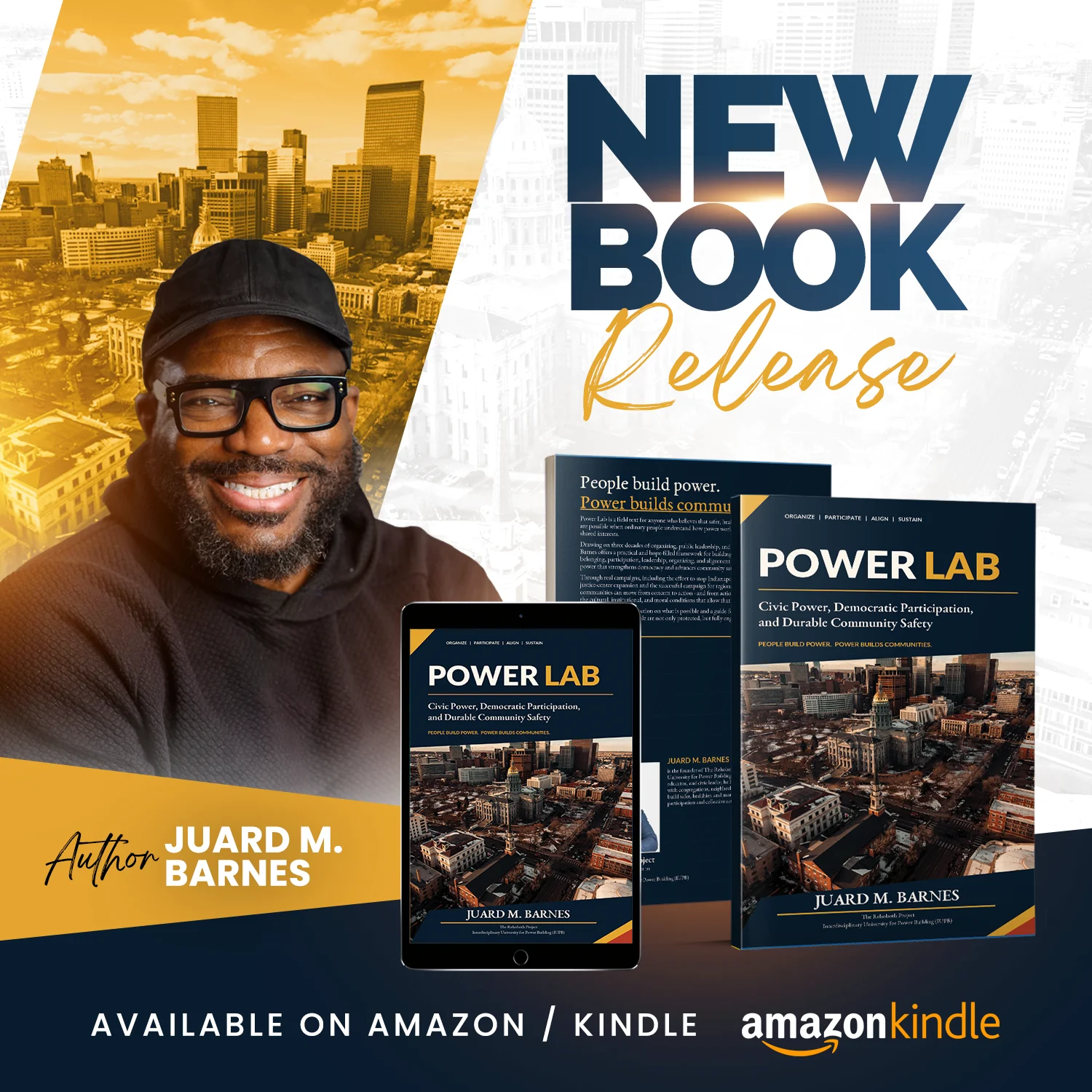
A field book from the practice
Civic Power, Democratic Participation, and Durable Community Safety
A field book for people strengthening democratic life in neighborhoods, institutions, congregations, organizations, and communities. Drawing on decades of organizing, faith leadership, and violence prevention, Juard M. Barnes traces how belonging, participation, leadership, and civic power can build the conditions for lasting safety.
Find the book on AmazonPaperback and Kindle availability. Opens Amazon in a new tab.
POWER LAB examines not only how people gain power, but what kind of civic culture is needed to exercise it responsibly. It connects organized people and institutions with shared responsibility, institutional alignment, and durable community safety.
TRP partners with organizers, faith communities, credible messengers, public agencies, health systems, and universities. The form of the engagement follows the challenge on the ground.
A practical learning experience for congregations, faith networks, coalitions, and civic partners. Participants map the people, relationships, programs, and property they already have, then work with partners to put those assets to use for lasting community safety.
Readiness and ecosystem assessments, Safe Passage model development, street-team training, implementation planning, and sustained training and technical assistance.
Campaign strategy, base-building, collaborative leadership, and support for teams doing the work.
Power Lab, Amandla and Social Justice Revival gatherings, Arché, clergy and community learning, and keynote speaking.
Juard M. Barnes and The Rehoboth Project bring decades of experience in faith leadership, organizing, community violence intervention, civic engagement, and partnership with local and national leaders.
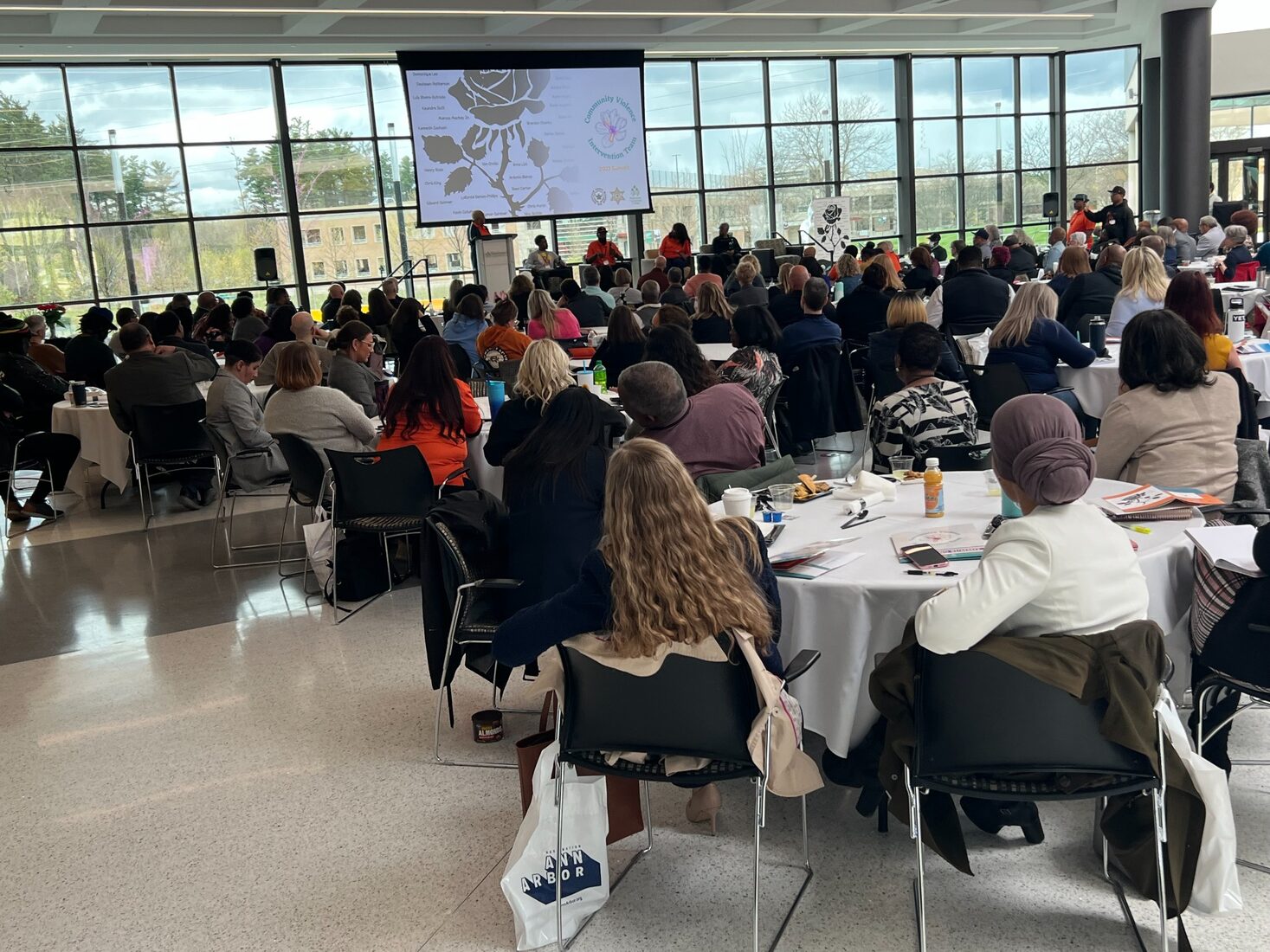
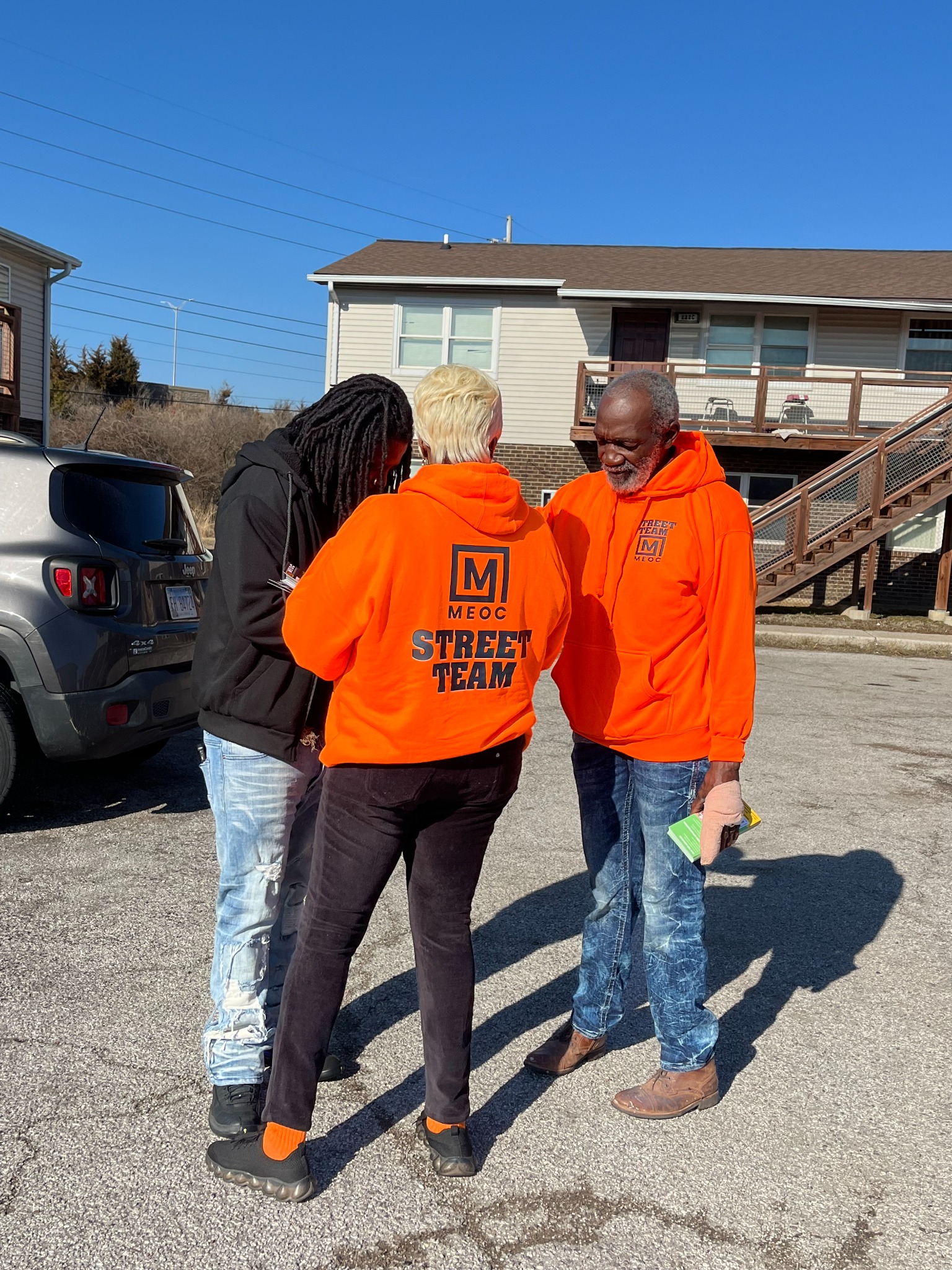
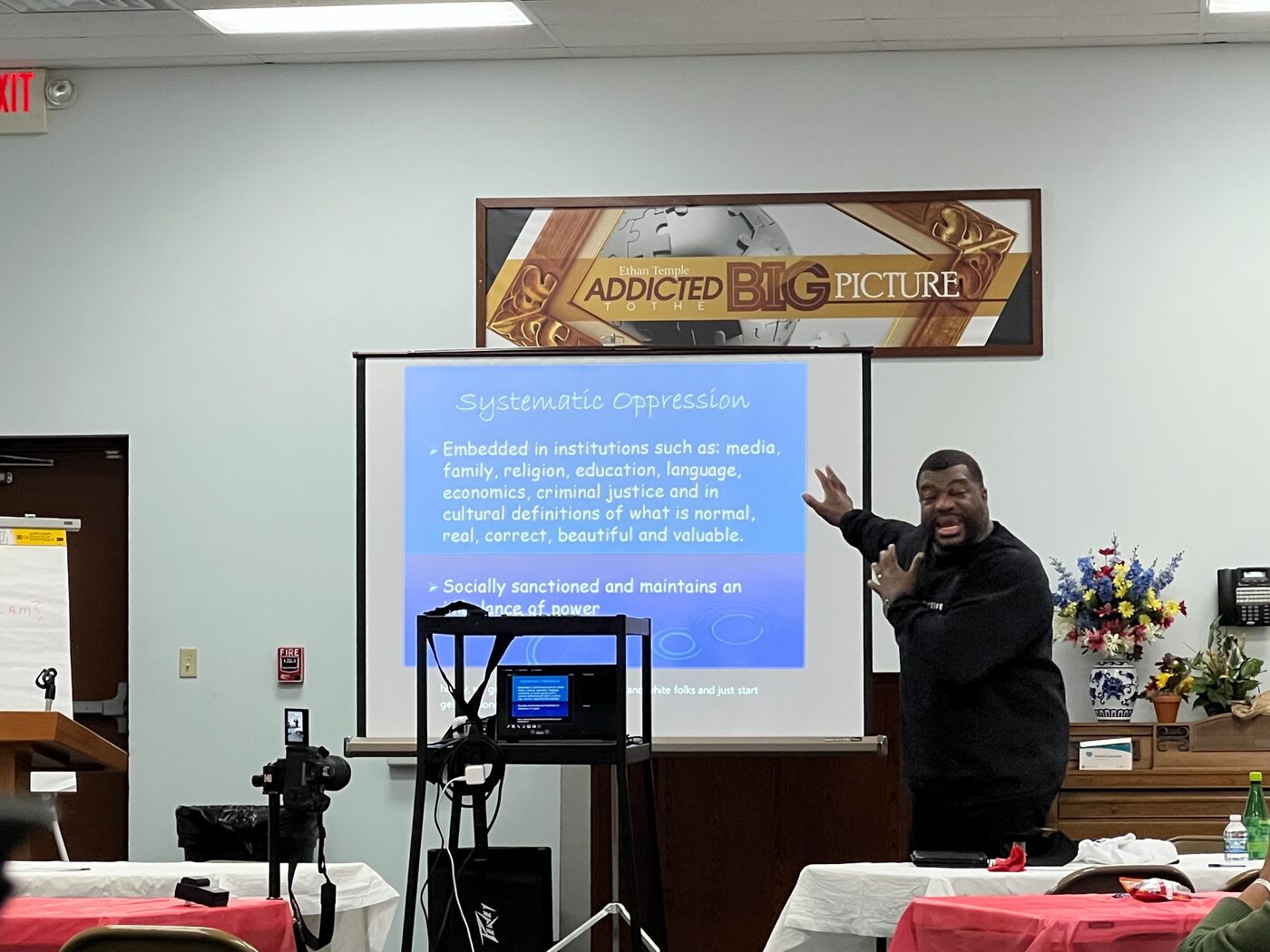
Explore photographs and video from community trainings, civic gatherings, and partnerships across the country.
Arché makes a public square for people to study the stories shaping public life, learn across difference, and build common cause. Shared purpose does not require communities to set aside their histories or priorities.
The Rehoboth Project is a national organizing and consulting practice founded by Juard M. Barnes. For more than four decades, Juard’s work as a faith leader, organizer, and adviser has moved across neighborhood campaigns, violence prevention, public advocacy, and institutional change.
TRP works with people who are too often invited into a room after the important decisions have already been made. The work is to build the relationships, organization, and shared leadership that make their participation consequential.
Juard M. Barnes · Principal
juard@therehobothproject.org1-800-970-7739125 W. South St., Suite 2830
Indianapolis, Indiana